
Delivering industrial, project, and urgent cargo across Australia and Papua New Guinea with strategic route planning and operational control.
Australia and Papua New Guinea maintain a strong bilateral trade relationship, with a steady flow of industrial and project-based cargo moving across the Coral Sea. Mining equipment, construction materials, industrial machinery, and essential supplies dominate this corridor, driven by PNG’s resource sector expansion and ongoing infrastructure development.
Primary cargo movements connect Brisbane and Sydney with Port Moresby and Lae, crossing the Coral Sea shipping lane that defines this corridor. Route selection influences transit time, freight stability, and overall delivery planning between Australia and Papua New Guinea.
Port Moresby and Lae serve as the primary entry points for cargo into Papua New Guinea. Port Moresby handles a significant share of containerised imports, while Lae functions as the country’s main industrial gateway supporting mining and inland distribution. Terminal capacity, berth availability, and periodic congestion can directly affect clearance timelines and delivery planning.
Shipping to Papua New Guinea requires disciplined customs clearance, precise documentation, and coordinated inland distribution planning. Clearance procedures depend heavily on accurate commercial paperwork and regulatory compliance, while delivery beyond the port often involves infrastructure limitations and remote project locations that increase operational risk.
Shipping to PNG from Australia demands precise planning, strategic route selection, and disciplined cost management. Sea freight efficiently handles containerised and project cargo, while air freight ensures urgent or time-critical deliveries. Transit reliability, port conditions, and regulatory compliance directly shape timelines and total landed cost, making informed logistics decisions essential.
[ Explore the PNG Shipping Guide → ]
Effective logistics across the Australia–PNG corridor depends on understanding port performance, seasonal variability, and route selection strategy. Differences between Port Moresby and Lae, shifting cargo volumes, and weather patterns across the Coral Sea can influence transit reliability, scheduling stability, and overall operational efficiency.
[ Explore Trade & Route Analysis → ]
Cross-border shipments to Papua New Guinea require strict alignment with import duties, regulatory documentation, and formal clearance procedures. Accurate commercial invoices, packing lists, tariff classification, and permit requirements directly determine clearance speed, cost exposure, and risk of delay at port entry.
[ Explore Customs & Compliance Guide → ]
Transport execution to Papua New Guinea often extends beyond a single mode. Effective planning may combine sea freight, air freight, and inland coordination to support project cargo and heavy equipment movements. Remote delivery conditions, infrastructure constraints, and site-specific requirements demand structured multimodal strategy and precise operational sequencing.
[ Explore Transport Strategy → ]
Managing shipments to Papua New Guinea requires proactive oversight of operational risk and cost exposure. Demurrage, insurance coverage, and potential delays must be anticipated, with contingency planning and process discipline ensuring predictable delivery and financial control across the corridor.
[ Explore Risk & Cost Management → ]
Logistics for mining projects in PNG requires precise planning for heavy machinery, bulk cargo, and remote site delivery, ensuring materials reach operational zones efficiently.
Shipping construction materials and equipment supports PNG’s growing infrastructure projects, with careful route and timing management to avoid port or inland delays.
Industrial and energy sectors demand coordinated supply chains, combining sea and air freight with project-specific handling to maintain operational continuity.
Government and development initiatives rely on reliable cross-border logistics, including compliance with documentation, cost control, and timely delivery to remote locations.
These sectors highlight the diversity and complexity of logistics across the Australia–PNG corridor. From industrial supply to government projects, each requires strategic route planning, timely execution, and regulatory compliance to ensure cargo reaches its destination efficiently and reliably.

Efficient clearance at Port Moresby is critical for predictable logistics. This guide highlights port operations, documentation requirements, and strategies to minimise processing delays.

Shipping costs extend beyond freight. Explore the main cost drivers, including duties, handling charges, insurance, and hidden fees that impact total landed cost.
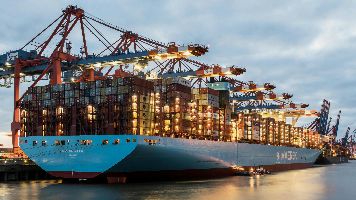
Choosing the right transport mode affects speed, reliability, and cost. This analysis compares air and sea freight options, helping planners make strategic shipping decisions.

Documentation errors and regulatory oversights can stall shipments. Learn practical steps to ensure smooth customs clearance and minimise operational disruption.
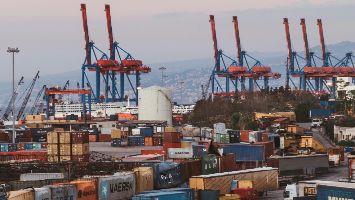
Delivering to inland or project sites in PNG requires careful planning. This article examines infrastructure limitations, transport constraints, and best practices for timely delivery.
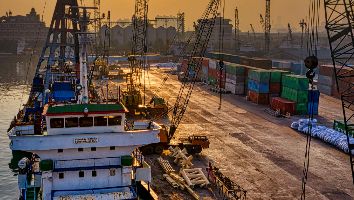
Weather patterns and shipping lane variability influence transit reliability. Understand how seasonal fluctuations affect scheduling and risk management for shipments.
Cross-border shipments to Papua New Guinea demand more than transport execution—they require deep logistics intelligence. Understanding regulatory frameworks, seasonal variability, port performance, and operational constraints allows businesses to anticipate challenges, reduce risk, and maintain predictable delivery across remote and high-complexity corridors.
Cross-border logistics between Australia and PNG is complex, with regulatory, operational, and infrastructure challenges at every step. Assess routes, compliance requirements, cost exposure, and delivery risk before execution to ensure predictable outcomes.